
Monopoly Live Chance Card Payouts: How the Feature Splits Across Sessions
The Monopoly Live chance card payout sits at the centre of every round, deciding whether a spin hands out a small bonus or sends a player racing toward the big prize. Crockfords traces its name to an institution that dates back to the 1820s and Regency-era London, and that heritage shapes how the game frames its payouts rather than promising anything it cannot deliver. For players in Wollongong who spend an arvo at the screen, the real question is how often those cards land and what they actually return.
How the Chance Card Payout Works Behind the Scenes
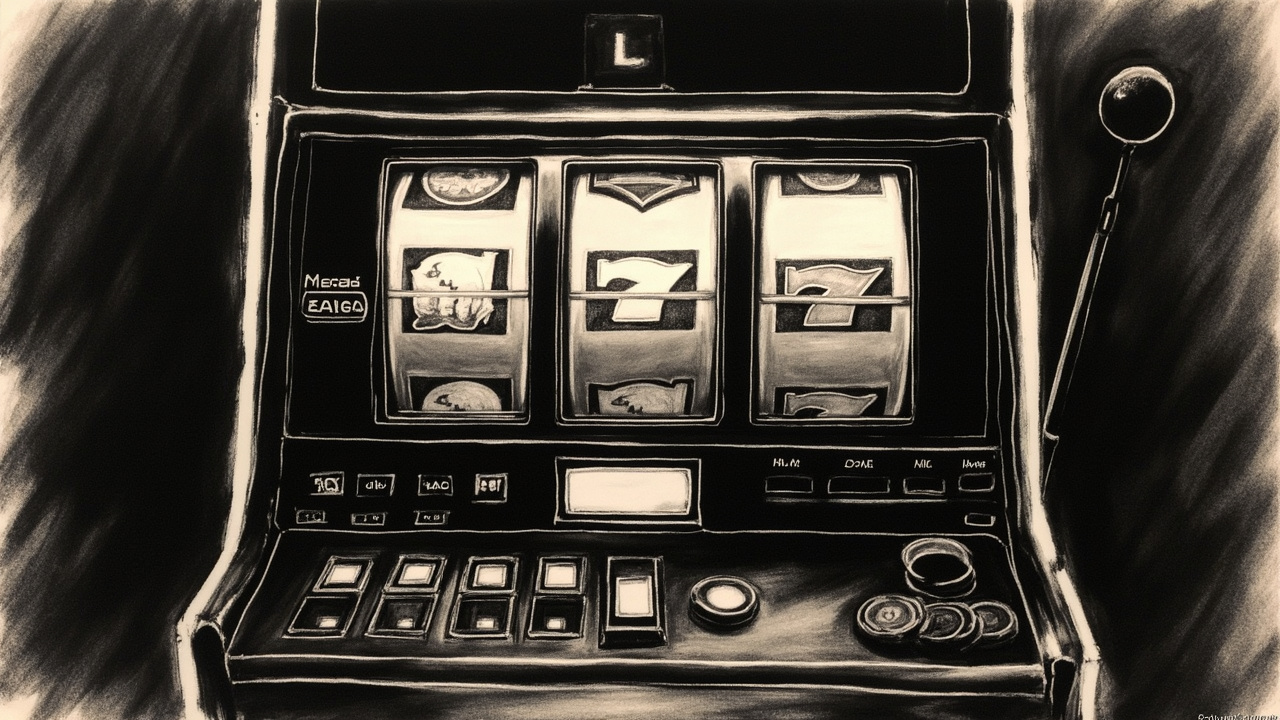
The chance card payout is not a separate bet but a feature that triggers from the main game wheel. Each round, the host draws a card that can award a fixed multiplier, a cash boost, or a path toward the progressive on our web project bonus board. The amounts are fixed per card type, so a player knows before the round whether a particular outcome will return a modest credit or a larger sum that carries across the next few spins. The board itself is where the bigger payouts accumulate, and the chance cards act as the gatekeepers that move pieces forward.Live Casino Payouts: A Practical Guide
I have spent time comparing this structure against live table products that lean heavily on random side bets, and the difference matters. A product that publishes its card values and board progression up front gives players something they can read before they commit, rather than leaving them to guess after the fact. That is the judgement call I keep returning to: a transparent payout map is more useful than a glossy demo that hides the same numbers behind animations.
- Fixed cash cards pay a set amount per round, independent of the main wheel result.
- Multiplier cards increase the value of the next piece movement on the board.
- Progression cards move a player closer to the bonus round without awarding immediate cash.
- The largest payouts require several cards to stack before the bonus board triggers.
What the Payouts Mean for Different Player Fits
Players who treat the session as a short entertainment window usually care about how often the smaller cards appear, because those are the outcomes that keep the rhythm moving without asking for a long bankroll. Others prefer the board progression, where a few well-timed chance cards can build toward a larger bonus that pays out in a single hit. Neither approach changes the underlying card distribution, but they do change how a player reads the same round.
Australian courts have heard landmark cases on casino duty of care, and that history is a useful reminder that entertainment products still carry a responsibility to describe their features plainly. When a chance card payout is explained as a feature with fixed outcomes rather than a mystery bonus, players can decide whether the pace suits them. A contrasting view comes from operators who prefer to keep the emphasis on the excitement of the board rather than the card-by-card maths, arguing that too much detail can flatten the experience. Both positions have a point: clarity helps players choose, while atmosphere is part of why the product holds attention in the first place.
For anyone weighing the same decision, the practical question is whether the session reward matches the time spent. A player who wants frequent small returns will read the card schedule differently from someone chasing the bonus board, and the payout structure should support both readings without pretending either one is more likely than the game allows.https://elvis-frog-au.com/
Where the Payouts Fit Around Local Play and Broader Jackpots
The chance card payout sits inside a live product that runs on a streaming table, so the same round is visible to players whether they join from a desktop or a mobile screen. Registration, currency display and support options all need to line up before a player commits, because a payout is only useful if the account around it is already set up correctly. Players in Wollongong often compare the pace of these live rounds with the bigger, less frequent lottery jackpots that have exceeded A$150 million in Australian history, and the comparison is fair as far as it goes: one is a repeated small-feature payout, the other is a rare national headline prize.
I would rather see a player choose the product that matches their own tempo than chase a feature because a promotional page makes it sound larger than it is. The payout is what it is, and the session around it should be chosen with the same care someone would use to pick a venue before an arvo outing. For readers who want a wider look at how live casino payouts are described across different products, a practical read on live casino payouts can sit beside this one without changing the subject.

The Monopoly Live chance card payout rewards players who understand its fixed card values and board progression rather than those who treat it as a mystery bonus. Pick the session length that suits your bankroll, read the card outcomes as they are described, and let the payout structure inform the choice instead of the other way around.